
Last year I read two novels based on the same hypothetical scenario – what would happen if the Cold War heated up at the end of the 1980s, and the armies of the Warsaw Pact came crashing down onto West Germany and its NATO allies like a great tidal wave of soldiers, tanks and communism? The books were Harold Coyle’s Team Yankee and OPLAN Fulda by Leo Barron.


The first thing to note is that both authors have a military background, from which they can draw upon their knowledge and experience and add authenticity to the subject matter. Barron is a military intelligence instructor and has served with the US 101st Airborne Division, while Coyle served as an officer in the US Army for many years and is a veteran of the Gulf War. As such, both books are full of army jargon, detailed descriptions of tactics and manoeuvres and lots of information on equipment and vehicles that would have taken part in a speculative third world war.
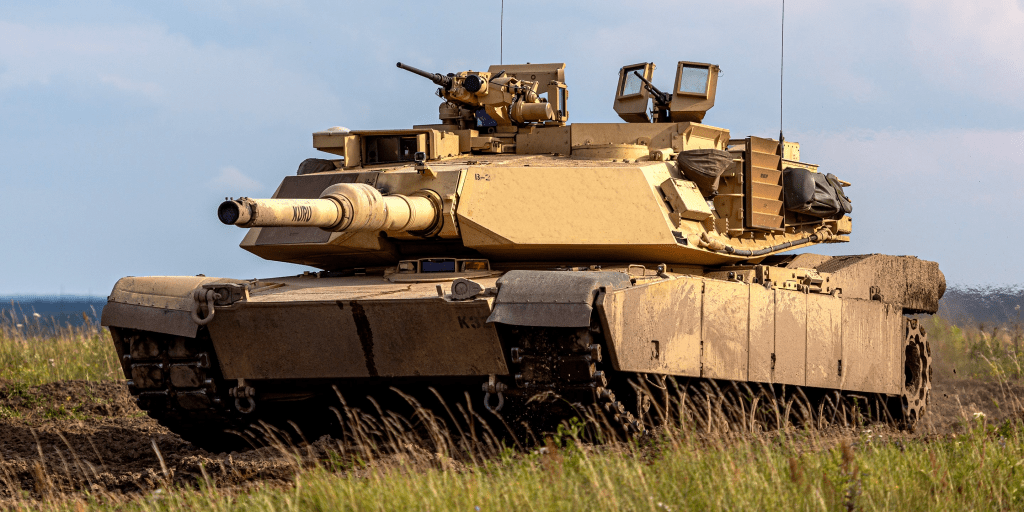
Team Yankee was the first book I read, as I was drawn to it after getting into the tabletop wargame that it inspired (Battlefront’s Team Yankee: World War 3, funnily enough). The manual for that game contains excerpts from the novel and even shows you how to build the titular Team Yankee in the game, so I was eager to consume the story that is teased so well throughout the game manual. So what is Team Yankee? Well, it’s an American (no, really?) tank platoon, led by Captain Bannon and kitted out with the US military’s latest war machine, the M1 Abrams main battle tank. Bannon and his team are posted to West Germany when war breaks out and the Soviet Union crosses the border and tries to head westward.
Team Yankee begins with a small-scale battle, the Abrams tanks ambushing a Soviet column as it rolls past their position, and from this first battle they are thrown into engagement after engagement, their skill and top-end gear always in high demand. Coyle is very good at describing the battle scenes, I found it very easy to visualise the battlefield, keep on top of who was shooting at whom and even maintain an overall grip on the higher-level results of each fight. I also came to quite like Bannon and his team, for the most part. His second-in-command Uleski is good especially, having a believable arc and experiencing an understandable personality shift as the horrors of war get to him. Lieutenant Garger was excellent too, a complete liability during peacetime, about to be chewed out by Bannon until things kick off but turning into a courageous, quick-thinking warrior under fire. Finally, I really liked the character of Sergeant Polgar, a Vietnam veteran who leads the mechanised infantry platoon that works alongside the tanks.
Team Yankee does have some unfortunate weaknesses though. Firstly, while it’s good to see the war from the Soviet angle sometimes, Coyle seems to consistently write them as blundering idiots. Every time we are introduced to a Soviet character, he’s dead a few pages later. Their tanks get stuck in forests, they trip over each other and US defences constantly and they may as well be led by the Chuckle Brothers. While I’m not qualified enough to get too deep into the old Which Side is Better dispute, I’m pretty sure the Soviets wouldn’t be as awful as this!
The second issue is the ending. Without giving anything away, this book just ends. Things get tense once the threat of nuclear armageddon surfaces, but then things just kind of grind to a halt. It’s not the worst ending of all time, but after such an enjoyable story it is a little jarring.
Finally, the Kindle version of Team Yankee is not a good one. The version I read (Amazon’s version) is rife with spelling, punctuation and formatting errors to the point where I had to re-read several sections just to make sense of what Coyle had originally written. It’s very strange that any publisher would allow a book in this state to be released, but there you go.
So, how does OPLAN Fulda compare? Well, I read this one over the festive period, after my brother stumbled upon it and made me aware. The scenario it describes is exactly the same, though events play out differently somewhat. The main difference from Team Yankee is scale. Barron covers a lot more ground than Coyle, with the latter being mainly focused on Bannon’s team and odd comedy Soviet oaf. Barron covers high-level commanders, intelligence officers and spies, as well as soldiers on the frontline, though these are still mostly tankers, as with Team Yankee, also rocking the M1 Abrams.
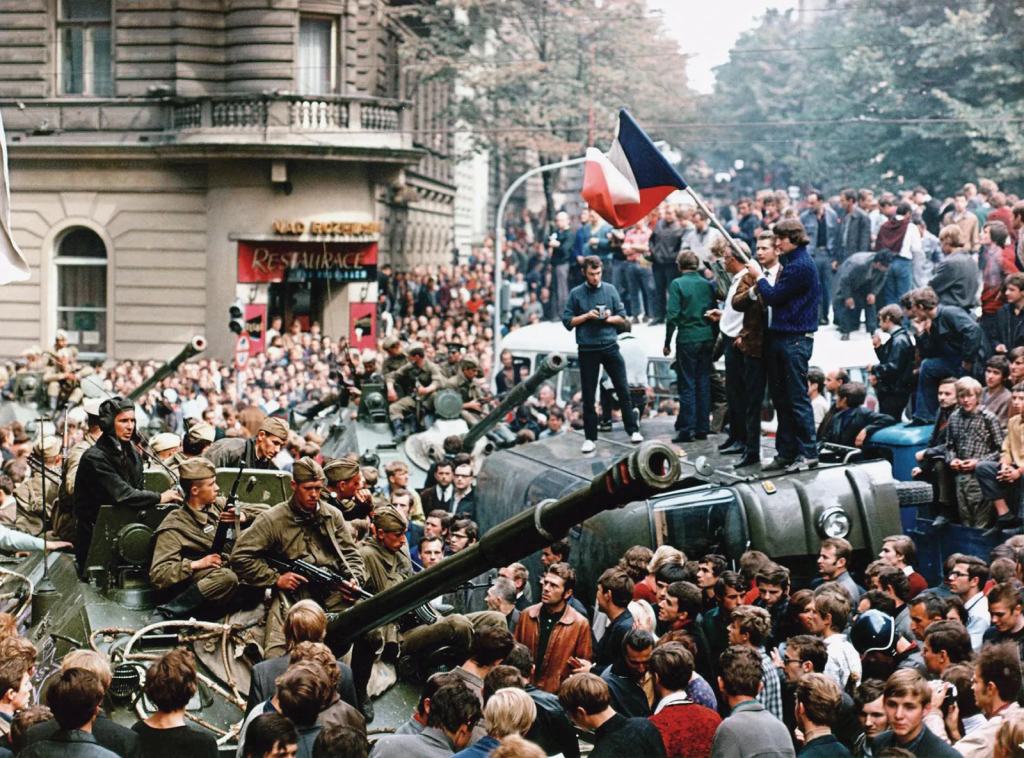
OPLAN Fulda gives the Warsaw Pact a lot more credit than Team Yankee, with the Red Menace able to pose a much larger threat as they maraud deep into West German territory. The outnumbered US forces give it their all to hold the line, dealing shocking losses to the Soviet forces as they are pushed back. Barron deftly explains why this is, showcasing the tactical differences between the Soviet “throw a horde of conscripts at them” approach and NATO’s more tactical, technology-based defence. The unique points of view from the commanders and officers also helped with this, as we are able to see what is happening from different perspectives, not just down the barrels of tanks and rifles.
It’s probably fair to state that Team Yankee had better-written combat sequences, Coyle clearly utilising his actual tank crew experience to great effect to deliver really well-described sequences, but Barron still does a great job too, only losing me once or twice when the battle got a little too technical and hard to follow. I can’t really say either did a bad job anywhere in this respect though, just that Coyle had a slight edge on Barron.
Standout characters in OPLAN Fulda would be Bud Anderson, a US intelligence officer from whom we witness a lot of the high-level tactics, his Soviet counterpart Sergei Krylov, tank commanders Kim and O’Kane and the entirety of the treacherous Soviet leadership, plotting in a bunker under the Kremlin. These characters were all very well realised, with Anderson and Krylov having some interesting interactions at the end. This book handles its ending much better too. While it still uses nuclear armageddon as the big third-act escalation, Barron does a lot more with it, weaving a satisfying resolution around it and not just using it to apply the emergency brake to the story.

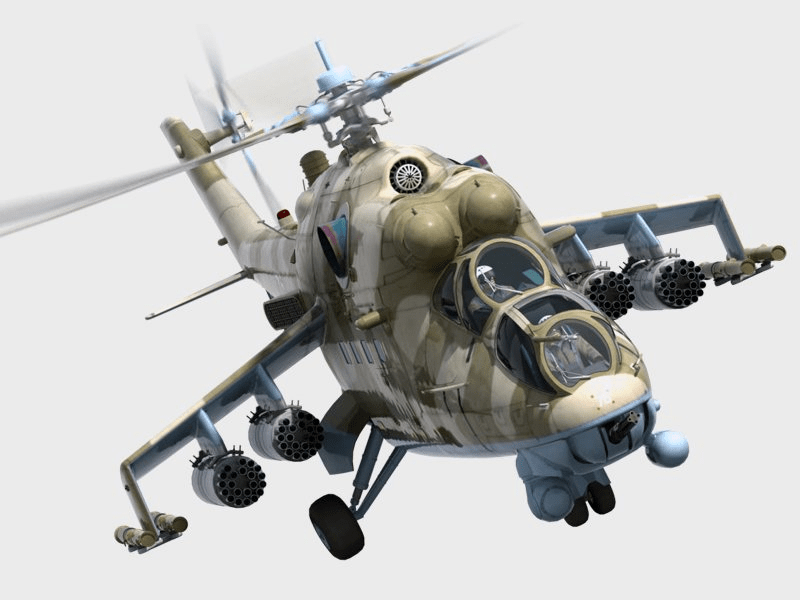
Ultimately this is tough one to judge, as both novels kept me engaged throughout and described the ebb and flow of battle well. Both also had good characters and kept the reader appraised of which tank, helicopter and plane belonged to which army etc. But the overall victory must to go to OPLAN Fulda, which provided more points of view, stronger Soviet characters and had a better ending.
Ultimately I can very much recommend both, if speculative military fiction or an interest in the Cold War are your things. They’re also pretty cheap on Amazon, which is always an advantage!


 Craig Rathbone - Writer
I loved Team Yankee. Clearly OPLAN Fulda needs to go on my reading list. Or more likely audio book list, if available.
Thanks for the review!
Cheers,
Frank
LikeLiked by 1 person
You’re most welcome! I can very much recommend it, has a much more satisfying resolution than TY!
LikeLike